Explore our comprehensive vitamin and mineral database to understand essential nutrients for optimal wellness
Master Your Nutrition with Science-Backed Guides
Understanding vitamins and minerals is the foundation of making informed dietary choices. Our comprehensive guide provides detailed information about essential nutrients, their sources, functions, and how they support your body's vital processes.
Whether you're exploring micronutrient needs, researching dietary sources, or learning about nutrient interactions, Healthyhabitsroute delivers evidence-based content to support your wellness journey.
Vital Nutrition Facts
13
Essential Vitamins for human health
Many
Minerals critical for bodily function
Many
Natural food sources documented
Evidence-Based
Research-backed nutrient information
Essential Vitamins at a Glance
Quick reference to the most important vitamins your body needs, their primary functions, and where to find them in your diet
Vitamin A
Supports vision, immune function, and skin health. Found in carrots, spinach, kale, and sweet potatoes. Fat-soluble vitamin that accumulates in the body.
Learn more →Vitamin C
Essential for collagen formation and antioxidant protection. Abundant in citrus fruits, berries, and bell peppers. Water-soluble and not stored in body.
Learn more →Vitamin D
Regulates calcium absorption and bone strength. Produced by sun exposure and found in fatty fish and egg yolks. Critical for skeletal health.
Learn more →Iron
Essential for oxygen transport in blood and energy production. Found in red meat, legumes, and fortified cereals. Two forms exist: heme and non-heme.
Learn more →Calcium
Builds strong bones and teeth, supports muscle and nerve function. Dairy products, leafy greens, and fortified plant-based alternatives are primary sources.
Learn more →Zinc
Supports immune function and wound healing. Rich sources include oysters, beef, pumpkin seeds, and legumes. Important for protein synthesis.
Learn more →
Mineral Absorption and Bioavailability Explained
Consuming nutrients is only part of the equation—your body must actually absorb and utilize them effectively. Bioavailability refers to how much of a nutrient your body can use after consumption.
Several factors influence nutrient absorption: your digestive health, food combinations, preparation methods, and individual genetics all play roles. For example, vitamin C enhances iron absorption, while calcium can inhibit it in certain contexts.
Pairing Nutrients Wisely
Combining foods strategically improves overall nutrient absorption and maximizes dietary benefit.
Cooking Methods Matter
Different cooking techniques affect nutrient retention; raw, steamed, and roasted preparations have distinct advantages.
Individual Variations
Age, health status, and genetics influence how efficiently your body processes and stores nutrients.
Why Our Guide Matters for Your Wellness
Healthyhabitsroute provides comprehensive, accessible information to help you make informed nutritional decisions
Evidence-Based Content
Our guides reference scientific research and nutritional science to provide accurate, reliable information you can trust for your dietary decisions.
Comprehensive Database
Access detailed information about vitamins, minerals, their food sources, daily requirements, and interactions in one centralized resource.
Editorial Expertise
Our editorial team researches and curates content with attention to accuracy, clarity, and practical applicability for everyday nutrition.
Food-First Approach
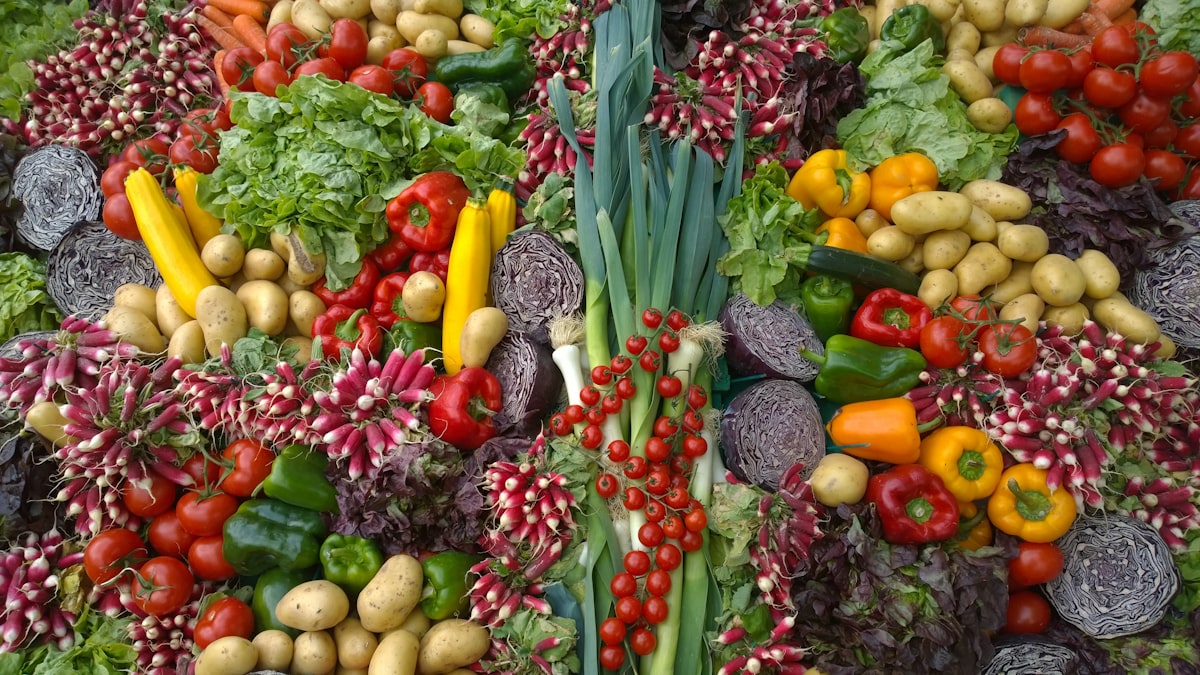
We emphasize obtaining nutrients through whole foods first, with practical guidance on dietary sources and food combinations.
Practical Insights
Beyond basic facts, our articles explore nutrient synergies, absorption factors, and real-world applications for better nutrition.
Locally Relevant
Content reflects regional food availability and dietary patterns, making nutritional guidance applicable to your local context in Indonesia.
What Readers Say About Our Content
People across Indonesia trust Healthyhabitsroute for reliable, accessible nutrition information
"I struggled to understand vitamin deficiencies until I found Healthyhabitsroute. The guides explain complex nutrition science in a way that actually makes sense. I've changed my diet based on this information and feel much better."
Siti Nurhaliza
Jakarta
5.0/5
"I recommend this site to friends who want reliable, easy-to-understand information about vitamins and minerals. The research is solid and the explanations are clear. It's a great educational resource that respects readers' intelligence."
Bambang Wijaya
Bandung
5.0/5
"I love that the guides focus on actual food sources rather than just pushing supplements. The articles about mineral absorption completely changed how I prepare and combine foods. This is the kind of practical nutrition information we actually need."
Eka Putri Lestari
Surabaya
4.9/5
Common Questions About Nutrition
Find answers to frequently asked questions about vitamins, minerals, and dietary nutrition
What's the difference between vitamins and minerals?
Vitamins are organic compounds produced by plants or animals, while minerals are inorganic substances found in soil and water. Your body needs both, but they're processed and utilized differently. Vitamins can be water-soluble or fat-soluble, affecting how your body stores and uses them.
Can I get all nutrients from food alone?
A well-balanced diet can provide most essential nutrients for many people. However, factors like age, health status, dietary restrictions, and local food availability may create specific needs. Our guides help you identify potential gaps and food sources to address them.
How do I know if I'm deficient in a nutrient?
Various signs and dietary patterns may suggest nutrient inadequacy. Our articles describe common sources of each vitamin and mineral, daily intake recommendations, and populations at higher risk. For concerns about your specific nutrition, consult appropriate professionals who can assess your individual situation.
Why does preparation method affect nutrient content?
Cooking methods impact nutrients differently: some nutrients are heat-sensitive and lost through boiling, while others become more bioavailable when cooked. Our guides discuss preparation techniques and their effects on specific nutrients, helping you maximize what you get from your food.
Are synthetic vitamins as good as natural ones?
The body generally uses synthetic and natural forms similarly if they're chemically identical. However, whole food sources provide nutrients alongside fiber, phytochemicals, and other beneficial compounds. Our approach emphasizes food sources first, with practical understanding of various nutritional contexts.
How do nutrient interactions affect absorption?
Certain nutrients enhance or inhibit each other's absorption. For example, vitamin C increases iron absorption, while calcium can reduce it in some contexts. Our detailed articles explore these interactions, helping you understand how to combine foods strategically for better nutritional outcomes.
Start Your Personalized Nutrition Journey
Explore our comprehensive guides on vitamins and minerals, discover food sources, understand nutrient interactions, and make informed dietary choices with Healthyhabitsroute.